
What Relocating Families Should Know About Utah Schools
What Relocating Families Should Know About Utah Schools
Relocating to a new state is always a major decision, especially for families with children. One of the top concerns for parents moving to Utah is understanding the state’s education system—how it’s structured, what options exist, and how to find the right fit for your child. Whether you’re moving to Salt Lake City, Ogden Valley, Park City, or one of Utah’s fast-growing suburbs, having a clear picture of Utah’s schools will help you make a confident and informed move.
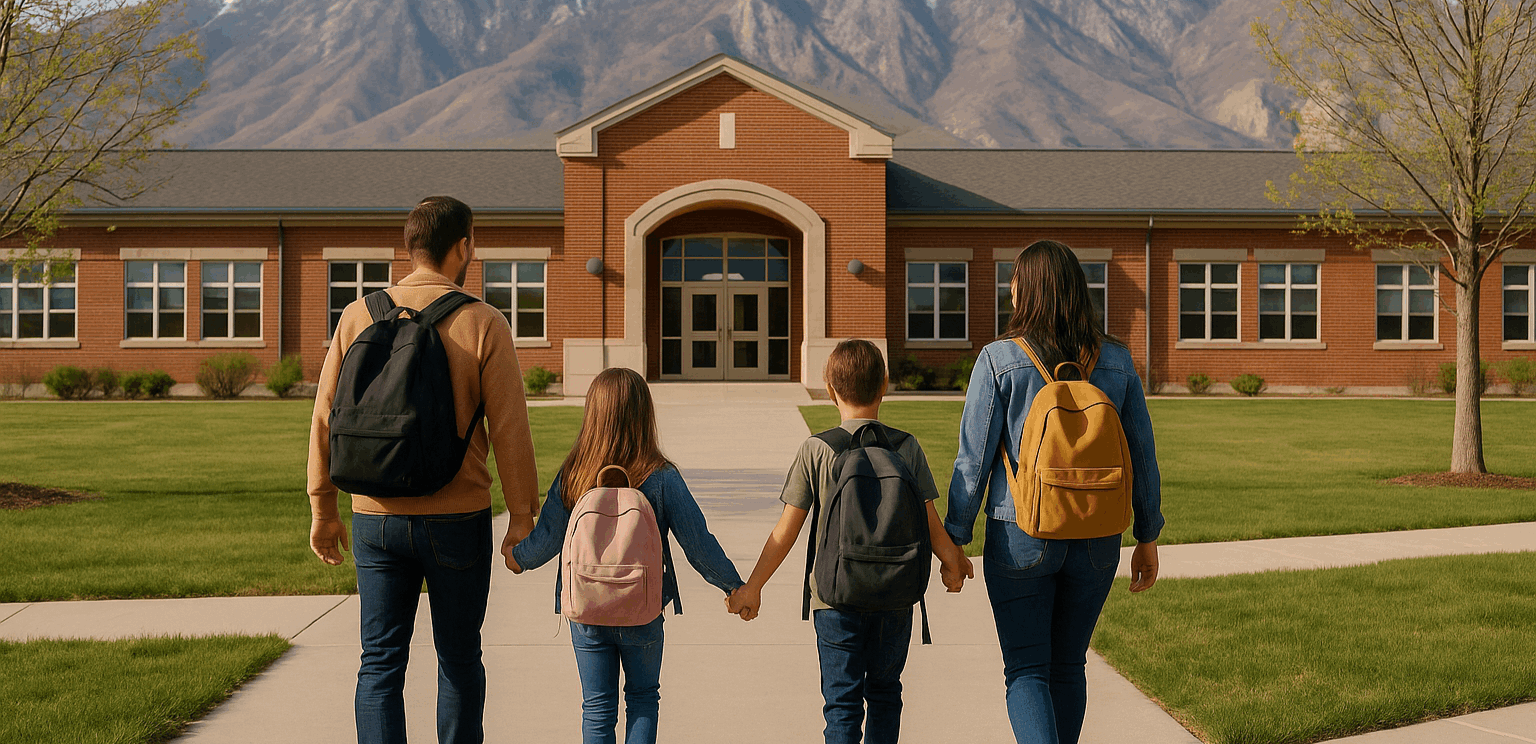
1. Utah’s Public School System: How It’s Organized
Utah’s public schools are managed by local school districts, which operate under the Utah State Board of Education. The state has over 40 districts, each serving different regions—from the Davis School District along the Wasatch Front to smaller rural systems in areas like Rich County or Uintah Basin.
Utah consistently ranks high for teacher dedication and community involvement, though class sizes can be larger than the national average. The state’s curriculum follows national education standards, emphasizing core areas like math, science, English, and history, while also expanding STEM, arts, and career readiness programs.
Families should know that school assignments are based on your residential address, but Utah also allows open enrollment—meaning you can apply to schools outside your boundary if space permits. This flexibility can be especially helpful for families moving into developing neighborhoods where nearby schools may be at capacity.
2. Charter and Magnet Schools: Expanding Options
Utah has a robust charter school network, offering alternatives to traditional public education. These schools are publicly funded but operate independently, often focusing on specialized programs such as performing arts, STEM, language immersion, or classical education.
For example:
-
DaVinci Academy in Ogden emphasizes project-based learning and the arts.
-
Wasatch Peak Academy in North Salt Lake offers Spanish immersion.
-
American Preparatory Academy focuses on rigorous academics and character development.
Parents should check each charter school’s admission lottery process and application deadlines, which can vary from district timelines.
3. Private and Parochial Schools
While most Utah families choose public or charter schools, there are excellent private and parochial options as well. Many are faith-based (LDS, Catholic, or Christian schools), while others are independent and college preparatory.
Some well-known examples include:
-
Rowland Hall (Salt Lake City) – a top-rated private school known for academic excellence and college prep.
-
Waterford School (Sandy) – offering a liberal arts curriculum with strong arts and athletics programs.
-
Saint Joseph Catholic High School (Ogden) – a long-standing parochial option serving northern Utah.
Tuition, admissions testing, and availability vary, so it’s best to research early if you’re considering private education.
4. School Ratings and Research Tools
Before relocating, take time to explore resources that compare schools by performance, test scores, and student-teacher ratios. Helpful tools include:
-
GreatSchools.org – provides ratings and parent reviews for K–12 schools statewide.
-
Niche.com – offers rankings and insights into academics, diversity, and extracurricular offerings.
-
Utah State Board of Education Data Gateway – shows official performance metrics for each district and school.
For families moving to specific communities—like Eden, Huntsville, or Mountain Green—it’s a good idea to connect with local parents or real estate professionals familiar with neighborhood school reputations.
5. Utah’s Emphasis on Family and Community
One of Utah’s greatest strengths is its family-centered culture. Schools often serve as community hubs, hosting events, volunteer opportunities, and outdoor programs that reflect Utah’s active lifestyle. Many districts have strong extracurricular programs in sports, music, and technology, with state-of-the-art facilities even in smaller towns.
Outdoor education is also a unique highlight—Utah schools often integrate skiing, hiking, and environmental studies into their programs, especially in mountain communities like Park City or Ogden Valley.
6. Preparing for Enrollment
When you’re ready to enroll, plan to provide:
-
Proof of residency (lease, mortgage, or utility bill)
-
Child’s birth certificate
-
Immunization records
-
Previous school transcripts or report cards
For kindergarten and preschool, note that Utah’s kindergarten eligibility cutoff is September 1—children must be five years old on or before that date to enroll.
7. Higher Education in Utah
Utah also boasts a strong higher education network for long-term planning. The University of Utah, Brigham Young University (BYU), and Utah State University are nationally respected, and the Utah System of Higher Education supports affordable tuition compared to national averages. This makes Utah appealing for families thinking ahead to college opportunities.
Final Thoughts
For relocating families, Utah offers a supportive and diverse educational environment. From top-rated public districts to innovative charter programs and private institutions, there’s something for every learning style. The state’s strong community values, outdoor lifestyle, and emphasis on family make it one of the most welcoming places to raise and educate children.
If you’re moving to Utah, partner with a local real estate expert who understands the connection between school boundaries and property values—a key factor when choosing your next home.
Categories
Recent Posts







GET MORE INFORMATION

Agent | License ID: 14225128-SA00