

How to Prepare Your Home for Winter in Utah’s Mountain Communities
How to Prepare Your Home for Winter in Utah’s Mountain Communities
Winter in Utah’s mountain communities—whether you’re in Ogden Valley, Park City, Heber, or the Wasatch Back—brings snow-packed roads, frigid nights, and breathtaking scenery. But for homeowners, those same snowy months can also mean frozen pipes, high energy bills, and unexpected repairs if the house isn’t properly winterized. Preparing your home for winter isn’t just about comfort; it’s about protecting your investment and avoiding costly emergencies. Here’s a comprehensive guide to help you get your mountain home ready for the cold season.
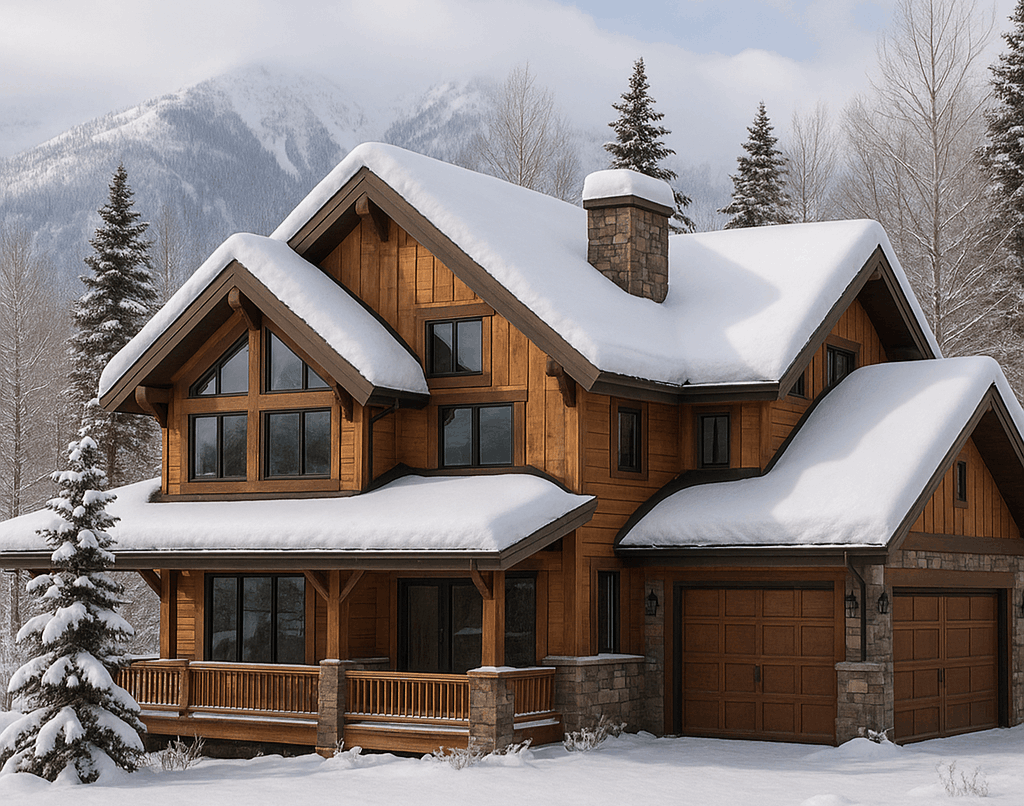
1. Inspect and Service Your Heating System
Your furnace or boiler will work overtime during Utah’s long winters, so schedule a professional inspection before the temperatures drop. A technician can check for leaks, replace filters, clean burners, and confirm that your system is running efficiently. For homes with wood-burning or gas fireplaces, make sure chimneys are inspected and cleaned to prevent fire hazards.
Pro Tip: Consider upgrading to a smart thermostat. Not only will it help regulate energy use, but in a second home or vacation property, it can alert you to sudden temperature drops that may signal system failure.
2. Protect Your Pipes from Freezing
Frozen pipes are one of the most common and expensive winter issues in mountain communities. Wrap exposed pipes with insulation sleeves or heat tape, especially in basements, crawl spaces, or exterior walls. Disconnect and drain garden hoses, and shut off exterior water lines. If your home will sit vacant for stretches of the season, keep the thermostat no lower than 55°F to prevent interior pipes from freezing.
3. Seal Drafts and Improve Insulation
Drafty windows and doors not only let in cold air but also drive up heating costs. Use weatherstripping or caulk around frames and add door sweeps where needed. If your home is older, upgrading attic insulation can make a dramatic difference in both comfort and energy efficiency. Many Utah homeowners also choose storm windows or energy-efficient replacements to add another layer of protection against icy mountain winds.
4. Prepare Your Roof and Gutters
Mountain snow loads are no joke. Before winter, inspect your roof for damaged or missing shingles, and repair them promptly to prevent leaks. Clean gutters and downspouts so melting snow can drain properly—clogged gutters can lead to ice dams, which cause water to back up under shingles and into your home. If your home is prone to heavy accumulation, consider adding heat cables along eaves to minimize ice damming.
5. Maintain Driveways and Walkways
Safety is key when snow and ice pile up. Stock up on ice melt that’s safe for concrete and pets, and have a sturdy snow shovel or snow blower ready to go. In sloped or shaded driveways common in mountain neighborhoods like Eden and Huntsville, heated driveway systems or snow-melt mats can make access easier and safer all season long.
6. Service Your Snow Equipment
If you rely on snow blowers, plows, or even ATVs with snow attachments, service them before the first big storm. Check oil levels, replace spark plugs, and make sure spare fuel is stored safely. For second homeowners, hiring a reliable local snow removal service ensures driveways and walkways stay clear when you can’t be there.
7. Prepare for Power Outages
Winter storms in Utah’s high elevations can knock out power for hours or even days. Make sure you have flashlights, batteries, and a stocked emergency kit on hand. If your home is a primary residence, a backup generator can keep critical systems like heat and refrigeration running. Vacation property owners may want to install smart sensors that alert them if the power goes out or the temperature drops too low.
8. Protect Outdoor Features
Patio furniture, grills, and outdoor décor should be stored in a shed or garage to prevent weather damage. For decks and wood features, consider applying a sealant to protect against moisture and ice. If you own a hot tub or spa—a popular amenity in mountain homes—make sure it’s serviced and insulated properly to withstand subzero nights.
9. Check Smoke and Carbon Monoxide Detectors
With heating systems running and fireplaces in use, the risk of fire and carbon monoxide exposure increases in winter. Test your detectors, replace batteries, and consider interconnected alarms for whole-house coverage. Carbon monoxide is especially important in tightly sealed, energy-efficient mountain homes.
10. Plan for Absentee Ownership
Many homes in Utah’s mountain communities are vacation or rental properties. If you won’t be living in the home full time, arrange for a local caretaker or property management company to check on the house periodically. This can prevent small issues—like a frozen pipe or roof leak—from turning into major damage.
Final Thoughts
Winter in Utah’s mountain communities is magical, but it demands preparation. From heating system maintenance to roof inspections and snow removal, a proactive approach ensures your home stays safe, efficient, and ready to enjoy all season long. Whether you live in your mountain home year-round or just visit for ski season, these steps will protect your investment and give you peace of mind.
If you’re planning to buy or sell in Utah’s mountain regions, remember that a well-prepared home not only weathers the season better but also appeals to buyers looking for move-in-ready properties.
Categories
Recent Posts




GET MORE INFORMATION

Agent | License ID: 14225128-SA00