

How Remote Work Is Shaping Utah’s Real Estate Market
How Remote Work Is Shaping Utah’s Real Estate Market
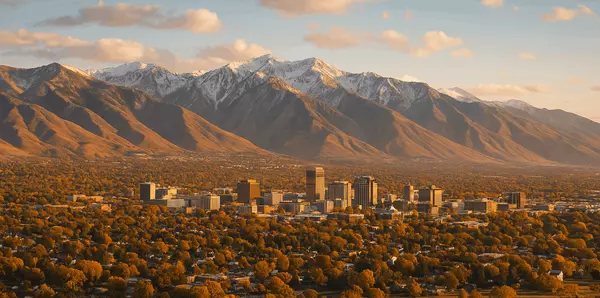
The rise of remote work has reshaped nearly every aspect of modern life—from how we commute to where we choose to live. In Utah, one of the fastest-growing states in the nation, this shift has had a particularly profound impact on the real estate market. With more professionals able to work from anywhere, Utah’s blend of natural beauty, affordability (relative to other Western states), and high quality of life has made it a top destination for remote workers seeking balance between career and lifestyle.
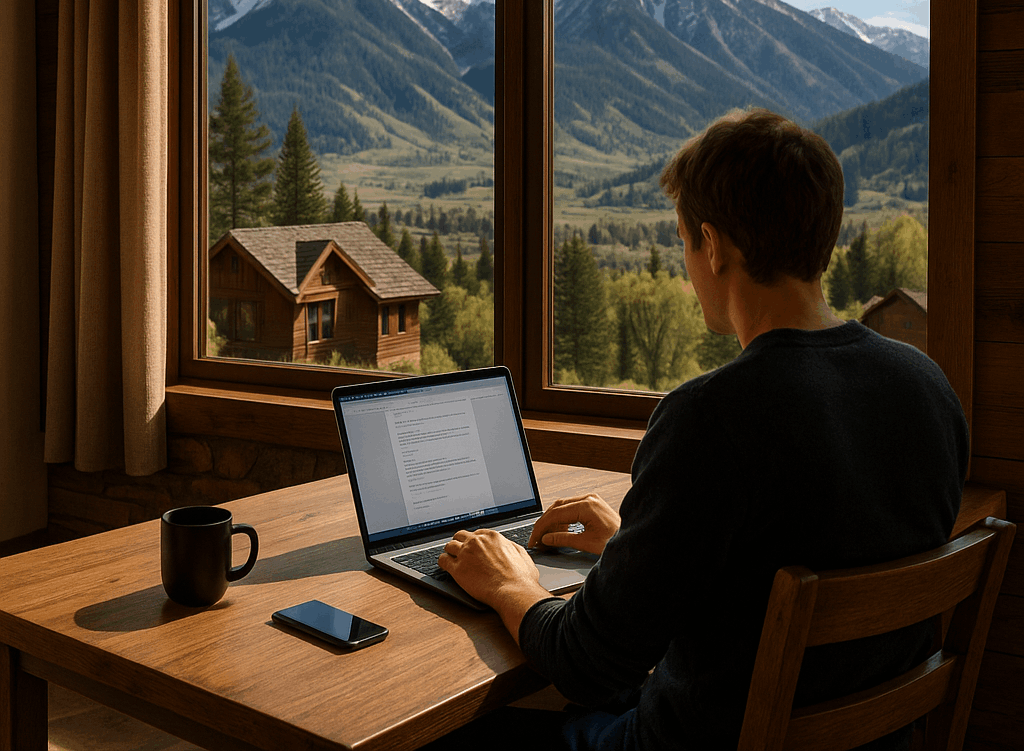
The Remote Work Revolution and Utah’s Appeal
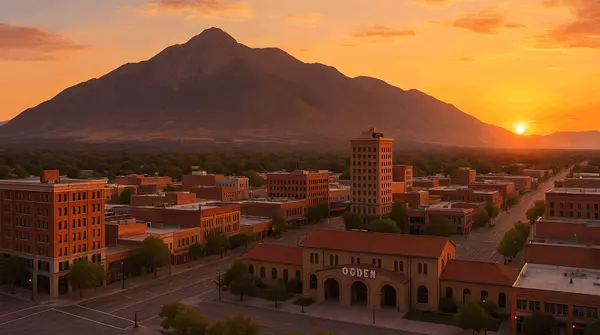
When the pandemic accelerated the adoption of remote work, many people left crowded urban centers for places that offered more space, lower costs, and better access to the outdoors. Utah checked all those boxes. Cities like Salt Lake City, Ogden, Park City, and St. George began to see a surge in relocations from California, Colorado, Arizona, and Washington as remote workers realized they no longer had to sacrifice income for scenery.
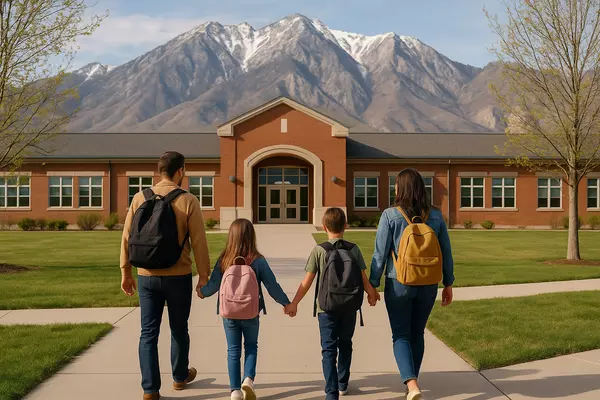
Utah’s outdoor-oriented culture—combined with its strong broadband infrastructure, business-friendly climate, and family-friendly communities—made it a magnet for professionals in tech, finance, and creative industries. Communities in the Wasatch Front and Wasatch Back quickly became some of the most desirable in the West.
Migration Patterns and Market Shifts
According to recent data, Utah’s net in-migration remains among the highest in the U.S., with many newcomers citing remote work flexibility as a key reason for relocating. This influx has driven strong housing demand, especially in suburban and mountain communities near employment hubs.
-
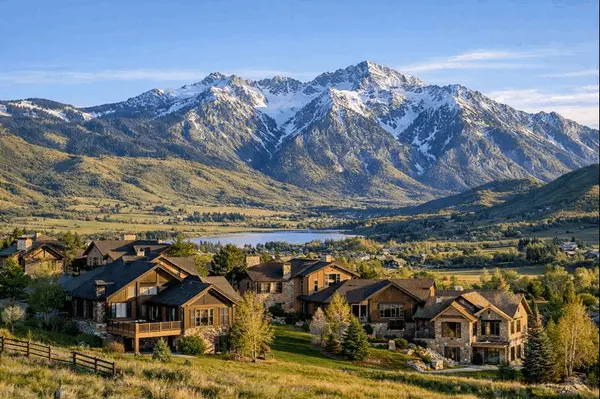
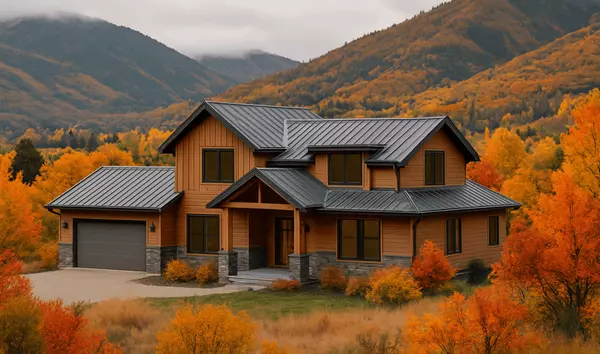
Ogden Valley and Mountain Green have seen rising demand for homes with home office spaces, larger lots, and scenic views, appealing to remote professionals seeking tranquility within reach of major amenities.
-
Salt Lake City neighborhoods such as Sugar House and Millcreek continue to attract young professionals who want urban convenience paired with remote work flexibility.
-
Southern Utah—including areas like St. George—has become a hotspot for retirees and digital nomads alike, blending mild winters with modern infrastructure.
This demographic shift has also created ripple effects in local economies, as more residents spend locally on goods, services, and recreation.
Changing Homebuyer Priorities
Today’s Utah homebuyers are no longer prioritizing proximity to the office—they’re prioritizing lifestyle. Features that once felt like luxuries have become must-haves:
-
Dedicated home offices or flexible spaces for remote work setups.
-
High-speed internet access (a critical factor in rural and mountain communities).
-
Outdoor living areas such as patios, decks, and large yards.
-
Energy efficiency and smart home technology, aligning with Utah’s focus on sustainability.
Buyers are also placing higher value on neighborhoods with easy access to trails, ski resorts, and outdoor recreation. The “live where you play” mentality is driving demand in areas like Eden, Huntsville, and Park City, where homes offer both proximity to nature and strong internet connectivity.
Effects on Home Prices and Inventory
The remote work boom has contributed to significant appreciation in home values across Utah, particularly in desirable mountain towns and suburban areas. As demand outpaces supply, prices have remained elevated even amid interest rate fluctuations. While urban cores have stabilized, smaller towns and recreational markets have seen long-term price growth.
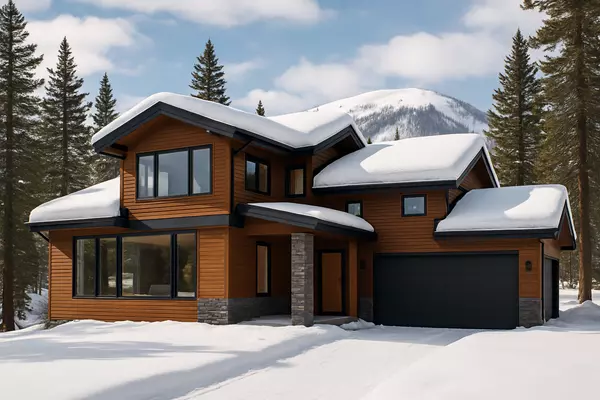
In areas like Ogden Valley and Summit County, limited land availability and stricter building regulations have further tightened inventory, supporting higher prices for both primary residences and vacation homes. This has encouraged new construction projects focused on modern mountain living—often designed with hybrid work lifestyles in mind.
Opportunities for Sellers and Investors
For sellers, the remote work trend has created ideal conditions. Properties that cater to work-from-home lifestyles—those with strong internet, quiet office space, and scenic settings—are commanding premium prices.
Investors are also capitalizing on this shift by purchasing properties suited for short- or medium-term rentals aimed at remote workers. The rise of “digital nomad” travel means that towns near outdoor destinations are benefiting from steady demand year-round.
Challenges and Considerations
While the boom has benefited homeowners and sellers, it has also introduced challenges. Rising prices have created affordability pressures for local residents, and some communities are grappling with how to balance growth with preserving their small-town character. Infrastructure, transportation, and zoning policies will play a key role in how Utah manages this transition sustainably.
Looking Ahead: Utah’s Remote Work Future
Remote work is no longer a temporary trend—it’s a defining feature of the modern economy. As companies continue offering flexible or hybrid arrangements, Utah’s real estate market is poised to remain strong, with ongoing demand for properties that blend lifestyle, connectivity, and comfort.
For professionals seeking the best of both worlds—career opportunity and outdoor adventure—Utah stands out as one of the most desirable places to live in the West. From the peaks of Snowbasin to the red rocks of St. George, the remote work revolution has not just changed how people work—it has changed where they call home.
Categories
Recent Posts



GET MORE INFORMATION

Agent | License ID: 14225128-SA00